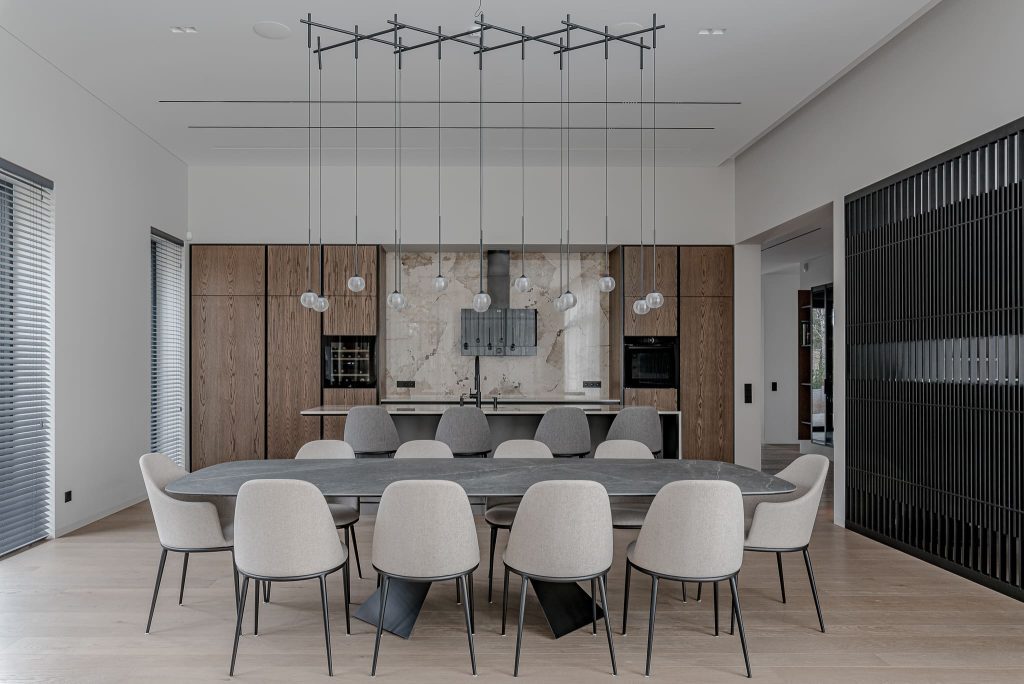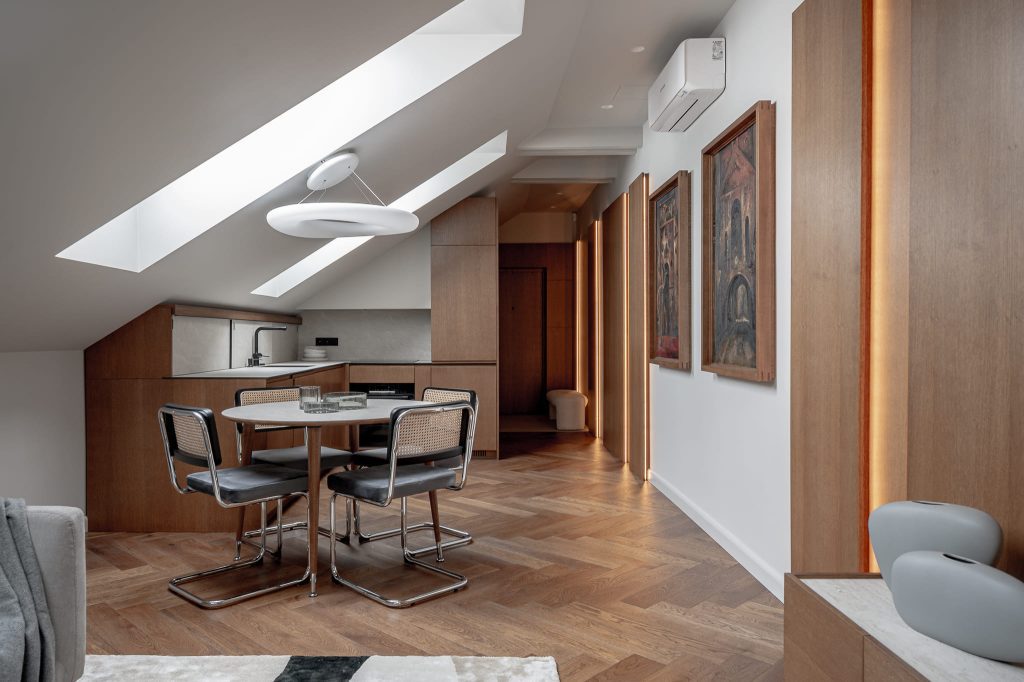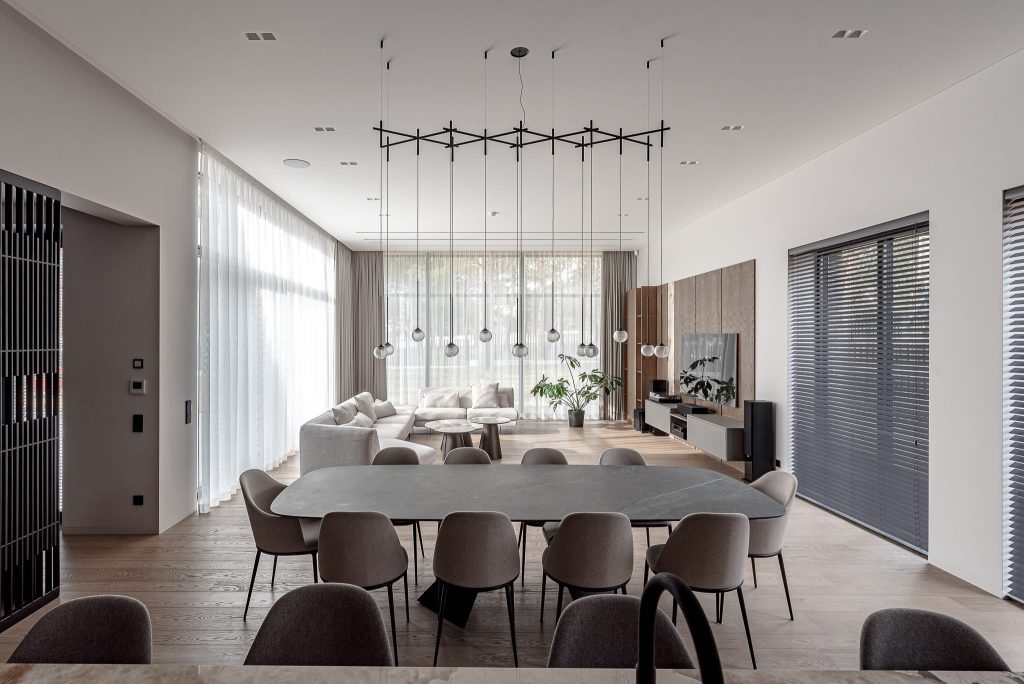

Namų interjeras formuoja ne tik tai, kaip atrodo būstas, bet ir tai, kaip jame gyvenama kasdien. Patogus išplanavimas, tinkamai parinktos medžiagos, apšvietimas ir spalvos lemia, ar erdvė bus funkcionali, jauki ir lengvai pritaikoma prie besikeičiančių poreikių. Dėl šios priežasties interjero sprendimus verta planuoti kaip visumą, o ne atskirų detalių rinkinį.
Pastaraisiais metais namų interjero tendencijos vis labiau krypsta į ilgaamžiškumą, natūralumą ir praktiškumą. Vis daugiau dėmesio skiriama kokybiškoms medžiagoms, išmaniam erdvės išnaudojimui ir sprendimams, kurie išlieka aktualūs ne vieną sezoną. Tuo pačiu svarbu, kad pasirinktas stilius atspindėtų ne trumpalaikę madą, o gyvenimo būdą ir kasdienius įpročius.
Šiame straipsnyje aptariama, kaip sukurti harmoningą ir funkcionalų namų interjerą, kokius principus verta taikyti planuojant skirtingas erdves, kokie interjero stiliai išlieka populiarūs ir kokios 2026–2027 metų tendencijos gali padėti priimti ilgaamžius sprendimus.
How to create a harmonious and functional interior design?
Interior design is not only a question of aesthetic value, it is also a practical solution to make efficient use of the space available. In order to make the interior of your home not only beautiful but also comfortable, it is important to take into account a few key aspects, which we will discuss below.
1. Space planning and functionality
One of the most important aspects to consider is space planning. It is important to know how each area will be used and which furniture and accessories must meet the needs of the owners. For example, the interior of an apartment may require different solutions than the interior of a large house, as the boundaries and needs of the space are different. Design solutions must be chosen to ensure harmony, home comfort and functionality.
Baldai ir detalės turi būti ne tik gražūs, bet ir būtų patogūs bei funkcionalūs. Individualus baldų projektavimas leidžia pritaikyti sprendimus pagal konkrečią erdvę ir gyventojų poreikius, todėl maksimaliai išnaudojamas kiekvienas kvadratinis metras. Pavyzdžiui, mažo buto interjeras reikalauja kitokių idėjų nei didelės erdvės, kurios leidžia laisviau eksperimentuoti su įvairiais dizaino elementais. Tinkamai pasirinkti baldai palengvina kasdienį gyvenimą. Reikia nepamiršti, kad dizainas turi ne tik estetinę, bet ir funkcionalią vertę.
2. Colours and lighting: how to choose the right tones?
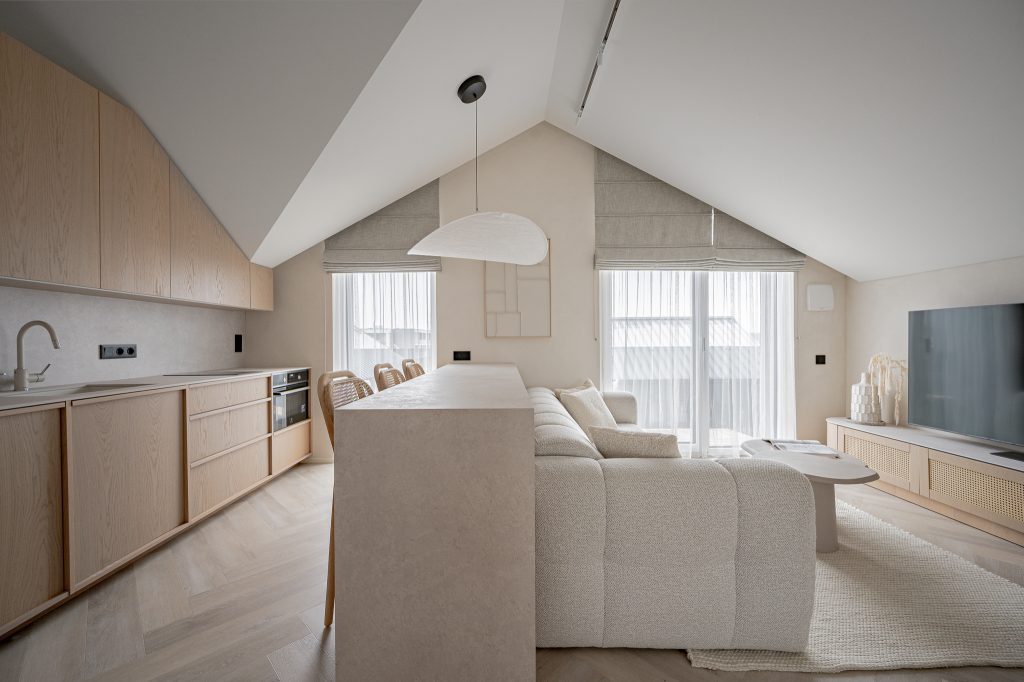
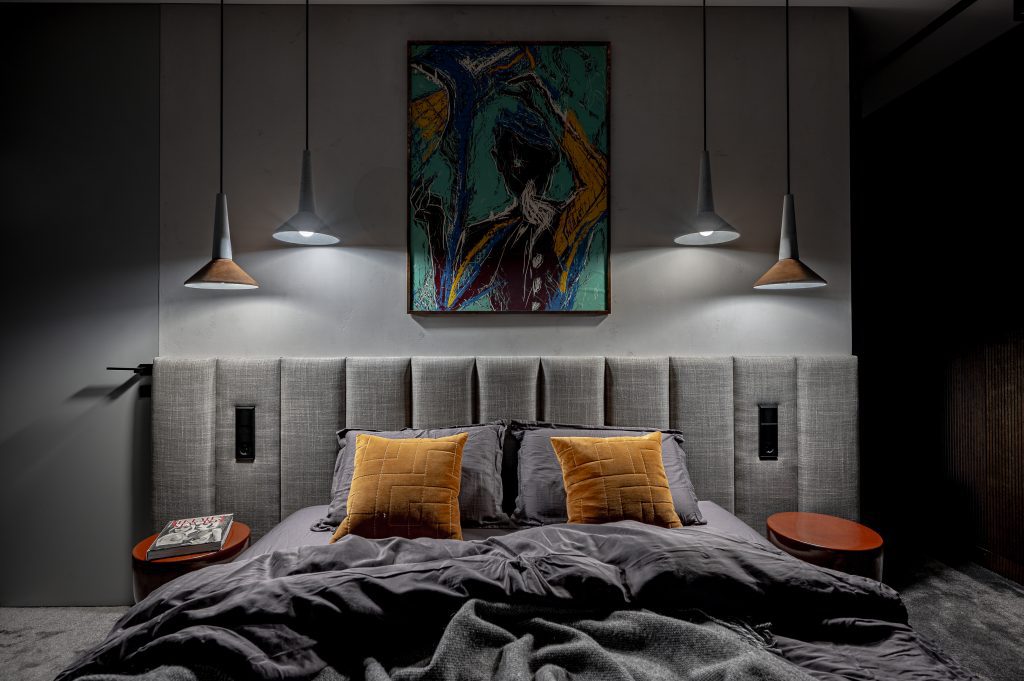
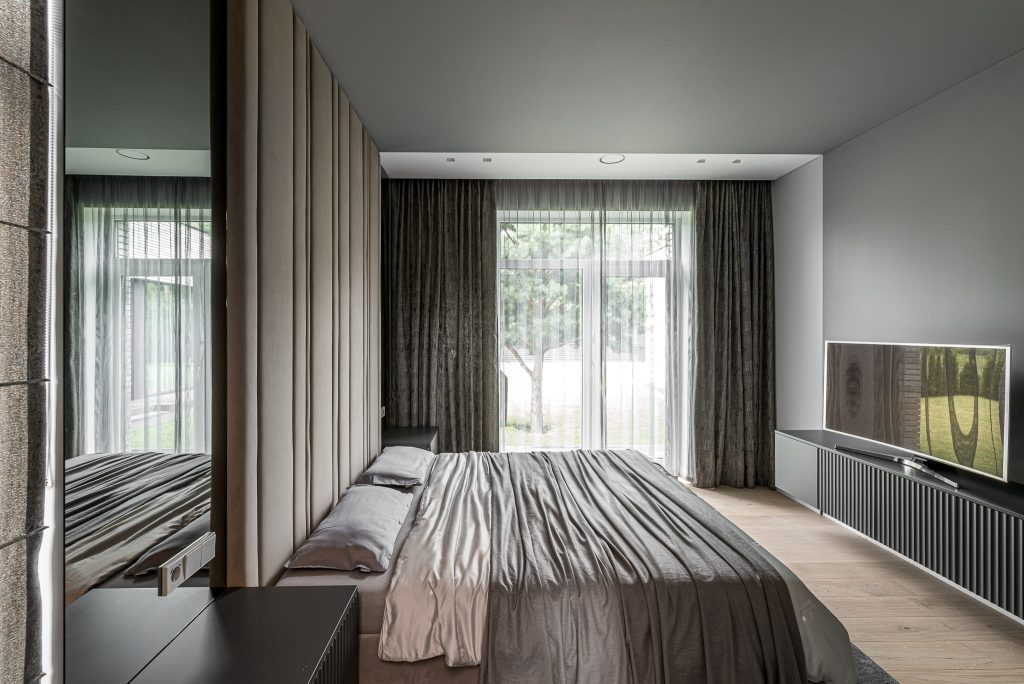
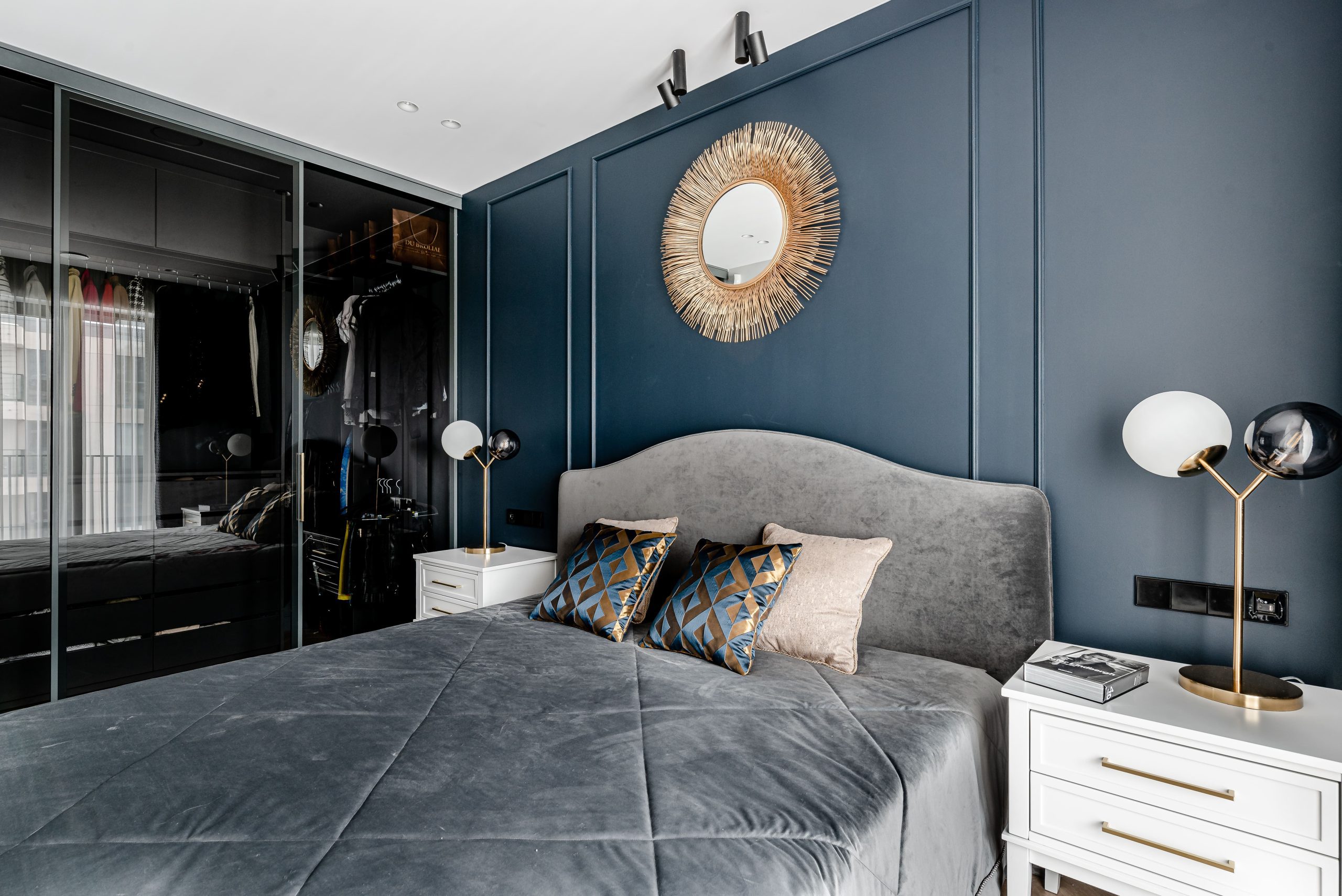
Light colours visually enlarge the space, making them suitable for small spaces. The right colours make a space feel light and airy. Meanwhile, dark colours give warmth and intimacy to a room and are often used in interiors to create a cosy and soothing atmosphere.
Lighting is also an important aspect that is often overlooked at home. In addition to the main lighting, it is worth investing in additional light sources, such as table lamps or dimmable chandeliers, which allow you to adjust the intensity of the light according to your needs. Properly chosen lighting highlights important interior details and creates a cosy atmosphere, which helps to create the right style.
Namų interjeras yra gyvenamosios vietos atspindys to, kas turi būti svarbiausia. Vidaus dizainas yra estetikos, stiliaus derinys ir praktinio funkcionavimo užtikrinimas. Interjero vizualizacijos padeda dar projektavimo etape įvertinti pasirinktus sprendimus ir pamatyti, kaip būsimas interjeras atrodys realybėje. Namų interjeras turi būti sukurtas taip, kad būtų patogu ir praktiška gyventi, tačiau turi būti malonu būti šiose erdvėse kasdien.
Why use an interior designer?
Although interior design seems like a creative and fun process, a professional designer can help you avoid mistakes and use every inch of space efficiently. The professional balances aesthetics and functionality and prepares the layout, colour and material combinations, as well as suggests visualisations and furniture layout solutions. The help of a professional is particularly important for those who want a guaranteed result and to save time.
3. The importance of home design details
Home interior design is a complex process that requires special attention to detail. Each detail has its own role to play in the overall look of the interior. It is important to remember that too much detail can convey an impression of clutter.
Design choices must be harmonious with the overall idea of the space. For example, if the living room has a minimalist style, it's better to choose fewer, but high quality details in other rooms too. Meanwhile, if the interior design of the home is classical, more decorative, more massive decor elements can be chosen.
4. Assess the type of space
The interior design of an apartment requires very precise space planning, as space is often limited in an apartment. For this reason, it is important to choose compact and versatile furniture that can fulfil several functions at once.
The interior of the house, on the other hand, allows for larger furniture and more decorative elements. However, even in large spaces, it is important to keep a balance and avoid over-decorated, cluttered spaces.
Popular interior styles and their features
When designing your home interior, it's important to choose a direction that reflects your personality. Here are some of the most popular styles:
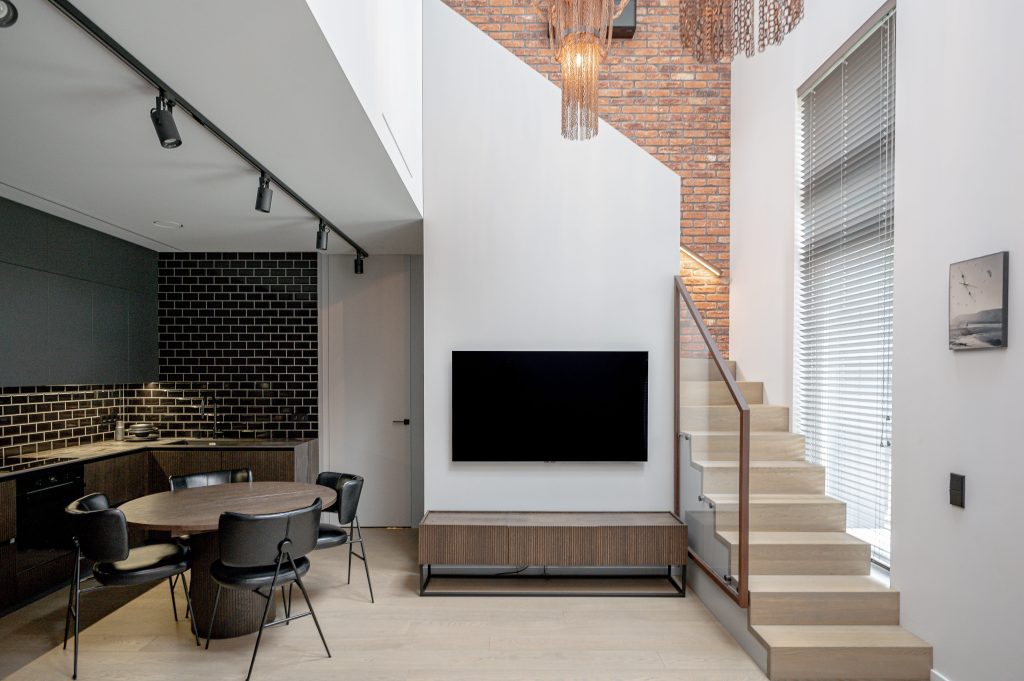
- Modern interiors are characterised by minimalism, clean lines and functional solutions.
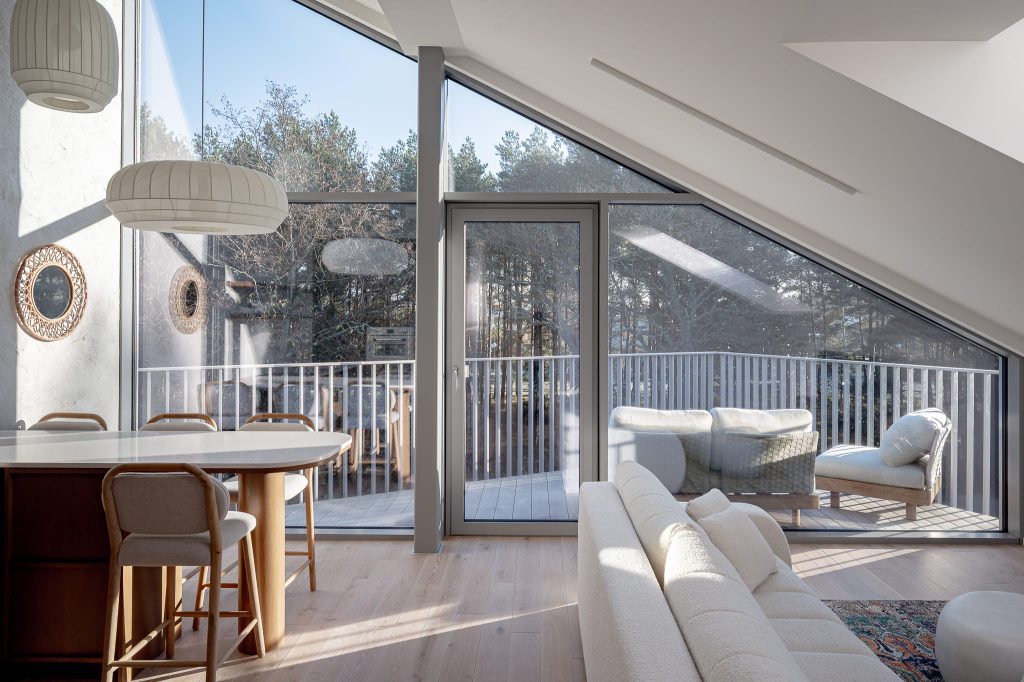
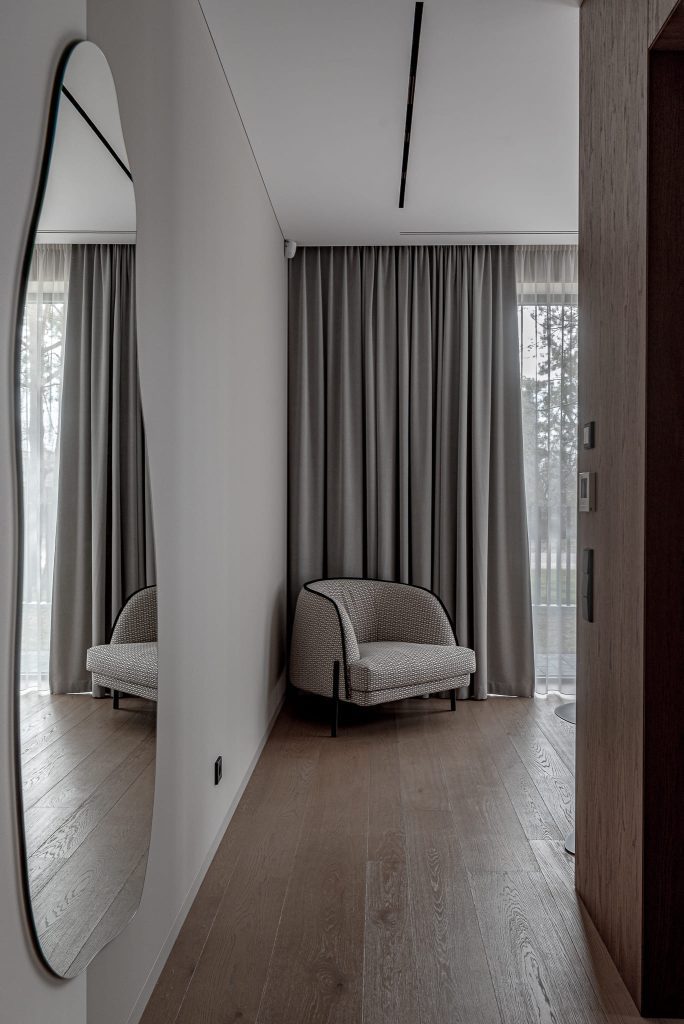
- Scandinavian style is characterised by light colours, natural materials and cosiness.
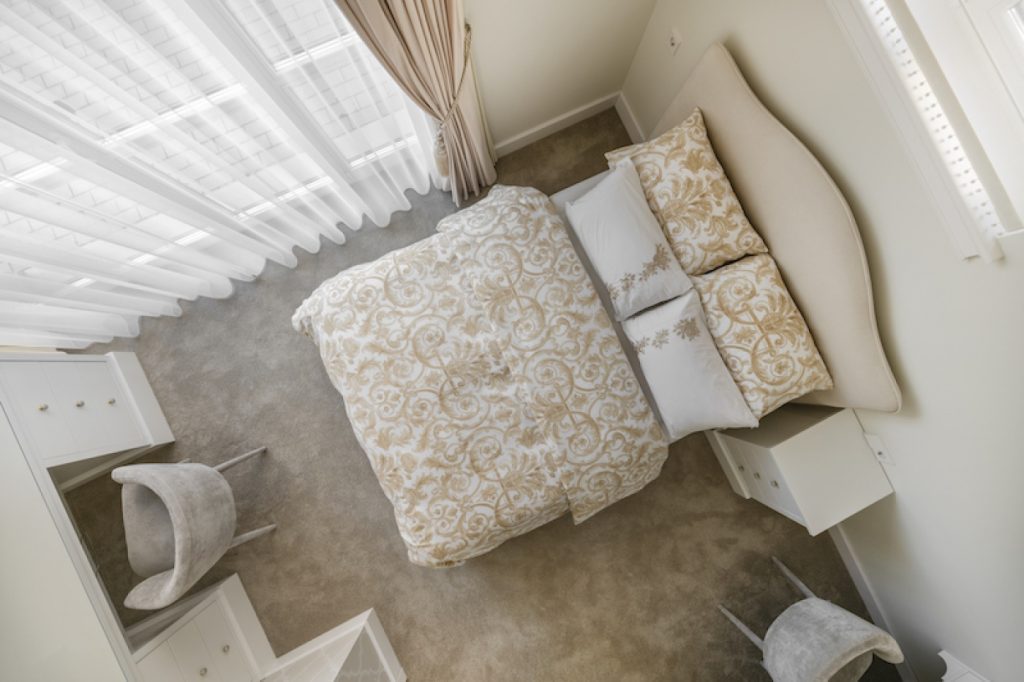
- Classical interiors are characterised by elegance, detail and symmetry.
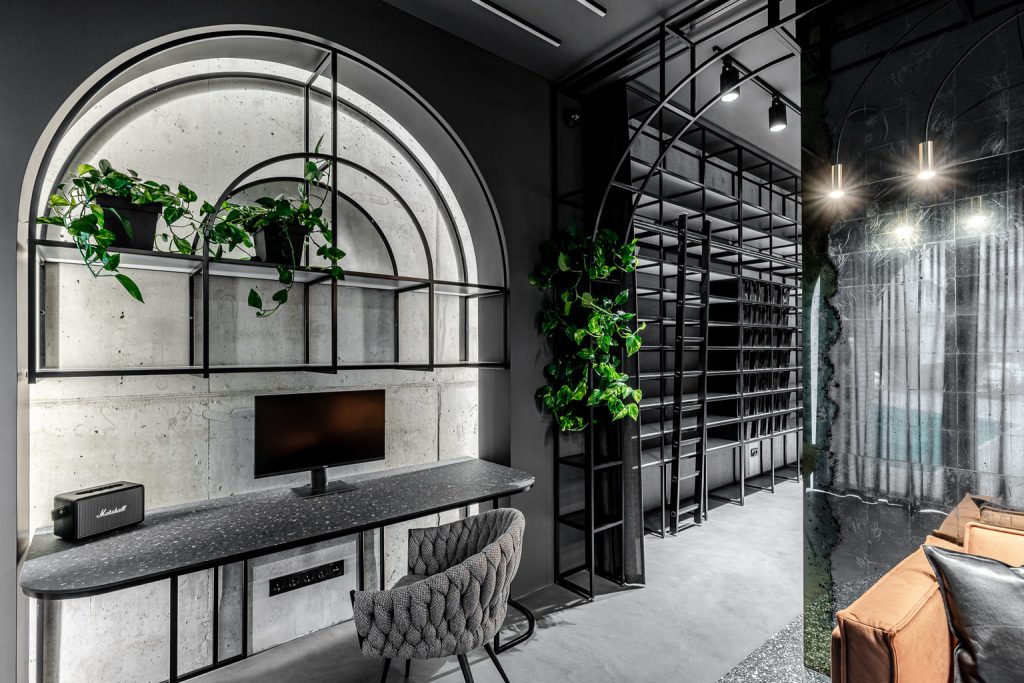
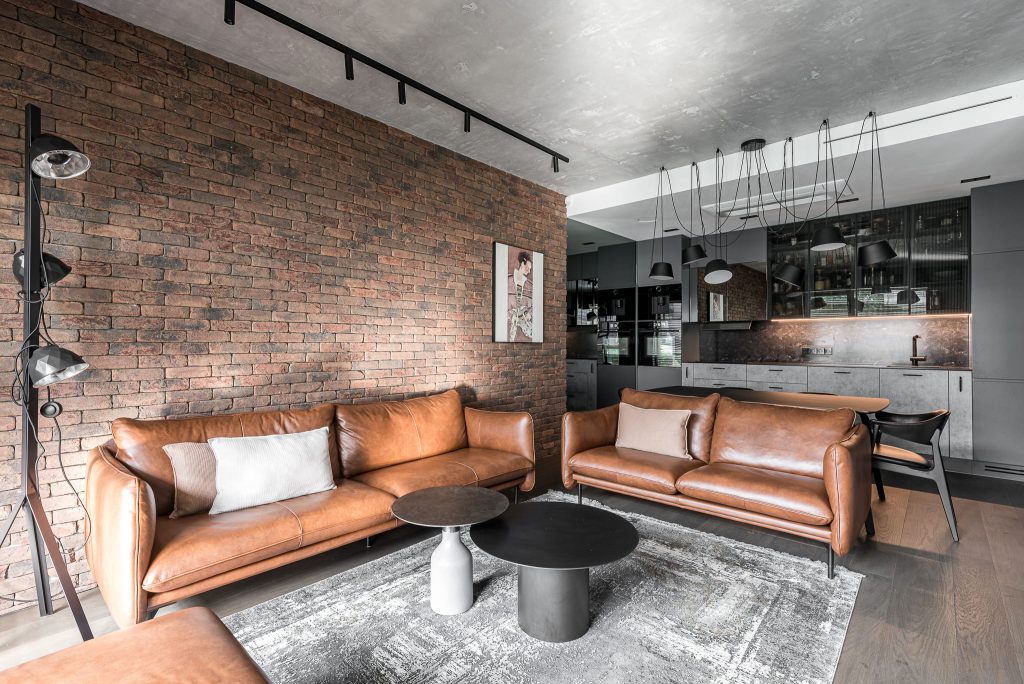
- Lofts are characterised by open spaces, industrial details, and combinations of metal and concrete.
- Boho design is characterised by creativity, colour and freedom, with ethnic motifs.
According to housingscience.org The right style creates a harmonious home atmosphere.
Interjero dizaino tendencijos: ką verta rinktis 2026 -2027 m.?
2026 – 2027 metų namų interjero tendencijos atspindi tvarumo, funkcionalumo ir estetikos pusiausvyrą, sugrįžtant prie gamtos įkvėptų formų ir spalvų. Štai pagrindinės kryptys, kurių galite tikėtis šiais metais:
Natural materials and organic forms
Natural materials (wood, stone, clay, linen, wool) dominate the interior. Furniture and accessories take on soft lines, round corners and asymmetrical shapes inspired by nature. These trends add cosiness and warmth, promoting the „slow living“ philosophy. „Slow living is a slow, deliberate way of living.
Colour palette: from earth tones to bold accents
2026 – 2027 metais vyrauja šilti žemės tonai (smėlio, terakotos, molio ir alyvuogių žalios spalvos). Šie atspalviai derinami su prigesintais mėlynais ir žaliais tonais, kurie suteikiančia ramybę ir eleganciją. Be to, drąsesni akcentai yra smaragdinė žalia, degintas molis ir gili mėlyna. Drąsios spalvos naudojamos kaip akcentai.
Functionality and technology
Multifunctional spaces and modular furniture are becoming increasingly popular, especially in smaller apartments. Smart technologies are being integrated into interiors to increase comfort and efficiency in lighting, climate and energy management.
Decor and textures
Retro-inspired accents are making a comeback in interiors. Accents include bold patterns, sculptural furniture and playful details. Handmade accents, such as handmade textiles and ceramics, are popular. Natural textures are also becoming increasingly popular, such as seagrass mirrors and wood root tables, which add warmth and authenticity to spaces.
Sustainability and eco-friendly design
Sustainability remains a key aspect of interior design. The choice is for durable, quality products made from sustainable materials. Eco-friendly materials such as multifunctional spaces and natural forms are becoming popular.
These trends call for homes that are aesthetic, functional and sustainable.
How easy is it to renovate or redecorate an existing interior?
Here are some easy-to-implement tips:
- Change the furniture layout. Furniture can transform a space and give it a new lease of life.
- Replace textiles. Textiles can give a completely different look.
- Choose light shades. According to www.archdaily.com Light colours visually increase the space.
- Use plants. Plants add decoration and natural cosiness.
- Upgrade your lighting. Upgrading the lighting creates a different image.
- Use interior accessories. Decor elements create a stylish and personal interior.
- Replace small items. Things like handles, light bulbs or even cushion covers can change the overall impression.
- Optimise space. Multifunctional furniture helps you keep things tidy and save space.
- Feel free to experiment with colours. Bring in bright colours through small details in the interior (cushions, wall decor, carpets).
The interior design of a home is an important aspect that requires many factors to be taken into account, ranging from the size and functionality of the space to the details and design decisions. After all, the home is a place where we spend a lot of time, so it is important to create a space that is pleasant to live in.
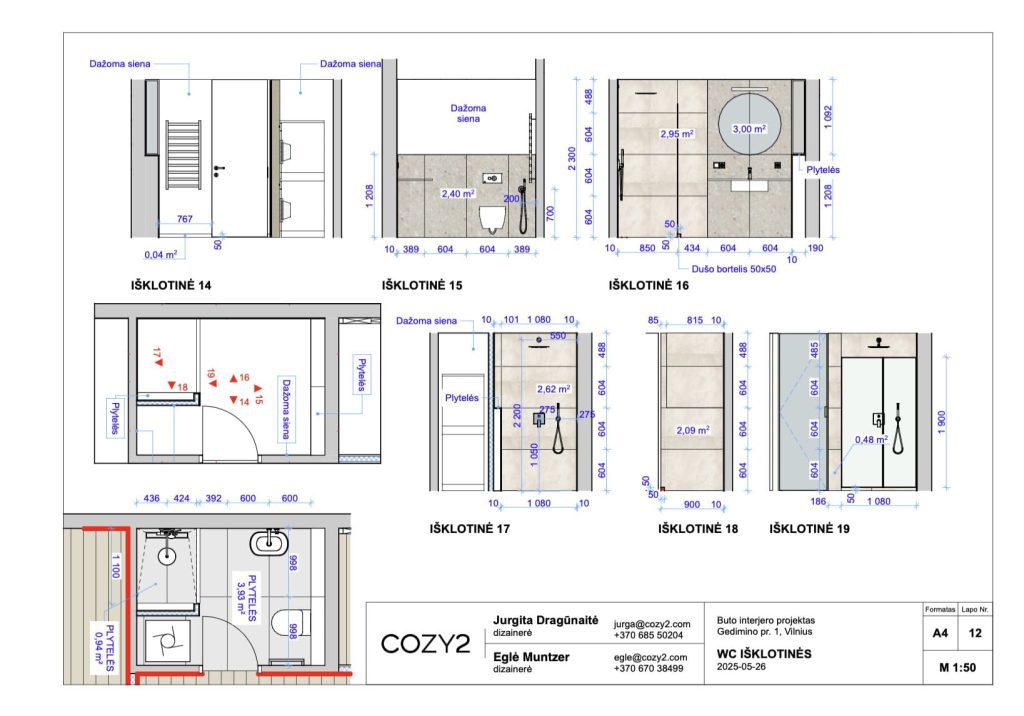
Jei svarstote atnaujinti būstą ar įrengti naują, verta pasitarti su profesionalais. Kokybiškam projekto įgyvendinimui svarbūs ir techniniai brėžiniai, kurie padeda tiksliai perduoti visus suplanuotus sprendimus rangovams. Nesvarbu, ar planuojate modernų buto interjerą Vilniuje, ar kuriate skandinaviško stiliaus namus Kaune – dizainerio patirtis padės išvengti klaidų ir užtikrins estetišką ir funkcionalų galutinį rezultatą. Papildomą kokybės kontrolę viso įrengimo metu užtikrina autorinė priežiūra, padedanti išlaikyti projekto sprendimų vientisumą.